
NewsNEWS
Featured products
Contact Us
How far is it before flying cars become widely popular?
2026-07-30 | 1,231 ViewsTo be honest, we may be further away from the day when we can take a “flying taxi” to work than we think. Although prototype aircraft frequently hit the headlines, there are still several major hurdles in front of us. Firstly, battery technology is a bottleneck. The current battery life cannot support urban commuting, let alone the anxiety of being stuck in the air. Secondly, airspace management is difficult to break through. Low-altitude airspace is not a chaotic race track. How to prevent thousands of flying vehicles from colliding? The existing system simply cannot handle it.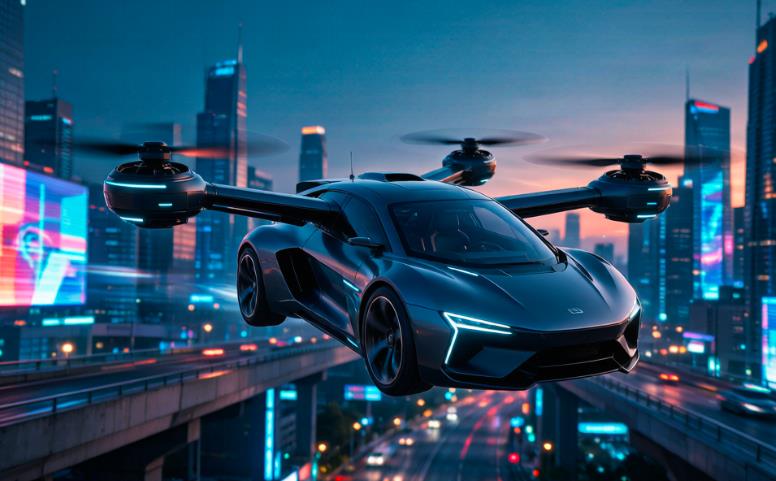
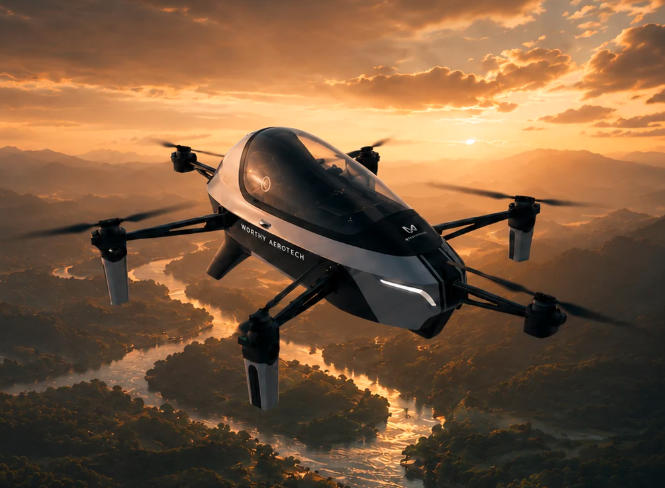
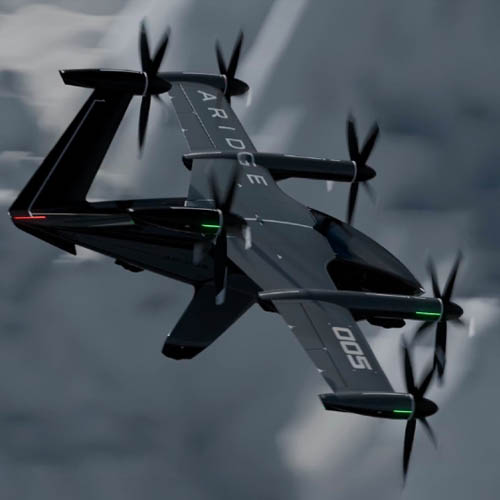
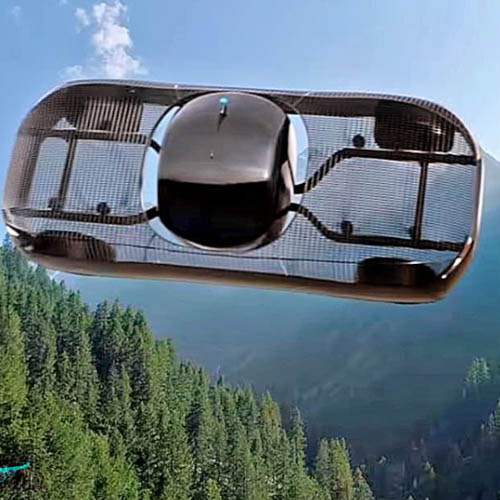
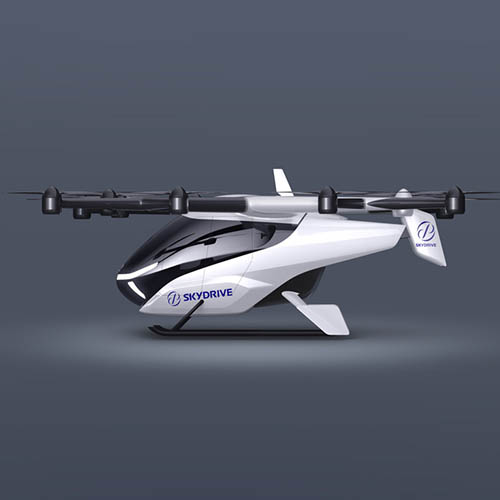
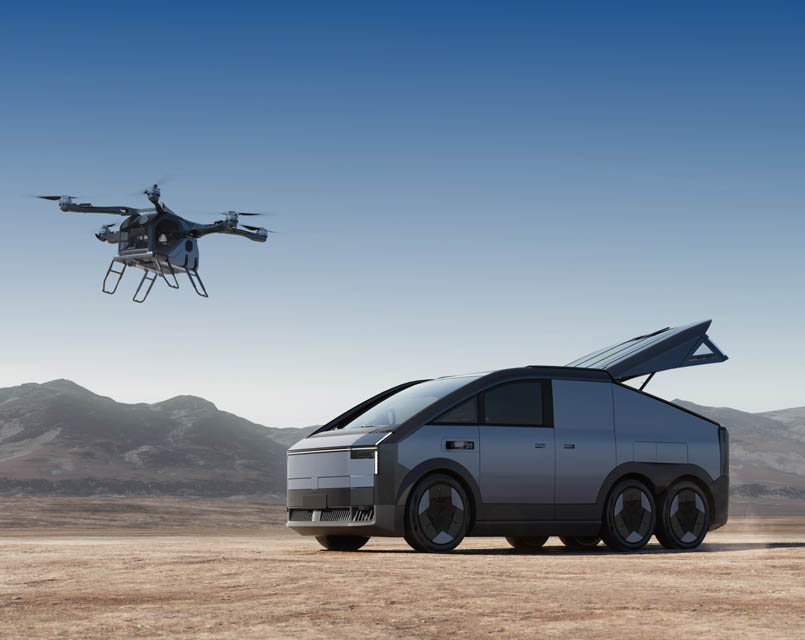
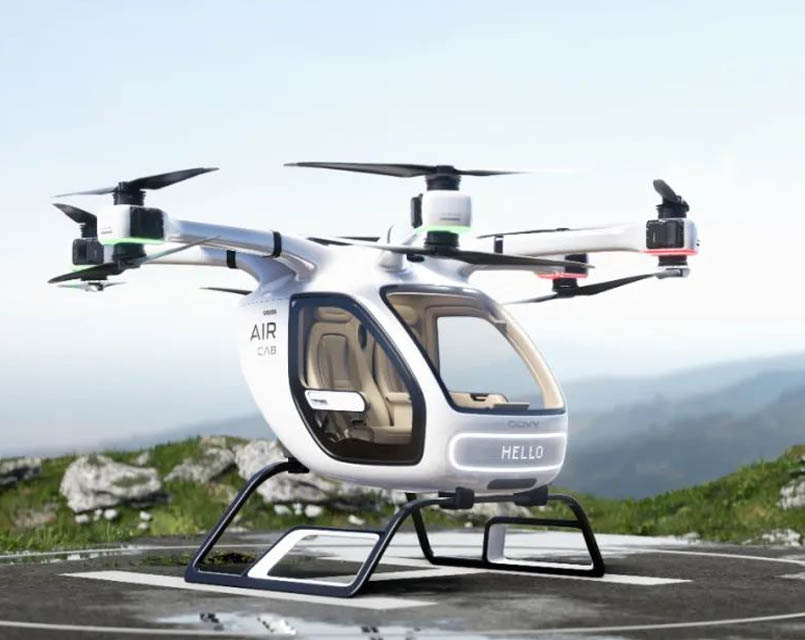
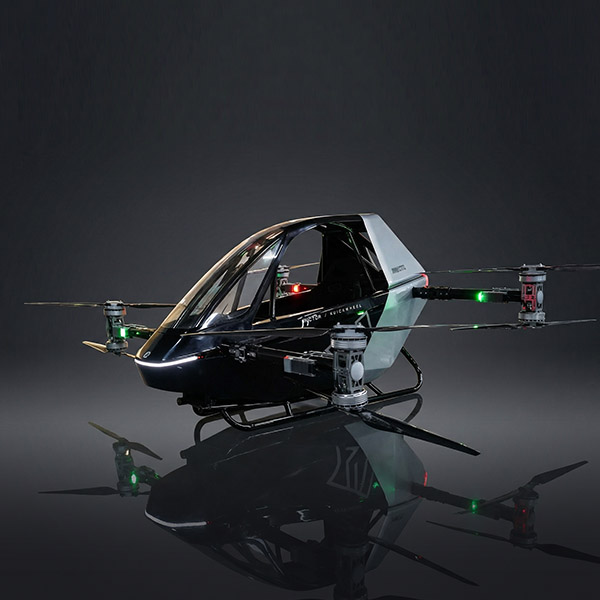
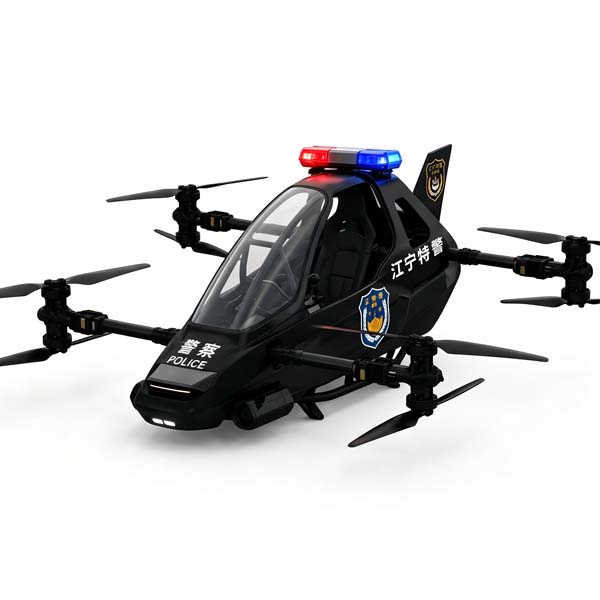
The image is generated by Ai
More realistically, the lengthy cycle of airworthiness certification and the delineation of safety responsibilities make capital and manufacturers cautious about taking aggressive steps. According to conservative estimates within the industry, it will take at least 10 to 15 years for commercial use on a large scale to become a reality. In the short term, we are more likely to see fixed-route “air taxis” or emergency rescue trials first. Be patient, this sky is worth waiting for, but don’t expect to bypass the morning rush hour next year.
Disclaimer: All the information on this website is collected from the Internet, and some of the content is generated by Ai, which does not represent our opinion. This website is not responsible for its authenticity and legitimacy. No commercial use, the graphic and textual content is for personal learning reference only. If there is infringement, please inform and delete immediately. Reproduction must indicate the source.